What is a Water Pump Motor and How Does It Work?
A water pump motor plays a crucial role in many applications. It is essential for moving water from one place to another. These motors convert electrical energy into mechanical energy, driving the pump.
Understanding how a water pump motor works can seem complex. Yet, the basic principles are quite straightforward. The motor spins a rotor, which creates a flow of water. This process is driven by an efficient design that maximizes performance.
However, not all motors are perfect. Some may face issues like overheating or inefficiency. Regular maintenance is crucial to ensure a water pump motor operates smoothly. A deeper look into its mechanics reveals both strengths and weaknesses. With this understanding, users can make informed decisions about their water pumping needs.
What is a Water Pump Motor?
A water pump motor is a crucial component in various applications. It powers mechanical pumps that transport water from one place to another. This device plays a vital role in residential, agricultural, and industrial settings. Understanding its function is essential for efficient water management.
The water pump motor converts electrical energy into mechanical energy. This conversion creates movement, allowing water to flow through the pump. There are differences between types of motors. Some are designed for high torque, while others focus on high speed. This variation affects performance. An energy-efficient motor saves on electricity, reducing overall costs.
Common issues may arise with water pump motors. Overheating is a potential concern. Improper maintenance can lead to breakdowns or reduced efficiency. Regular checks and proper settings are key to avoiding such problems. Reflection on usage habits may reveal areas for improvement. Careful observation can enhance overall performance and longevity.
Components of a Water Pump Motor
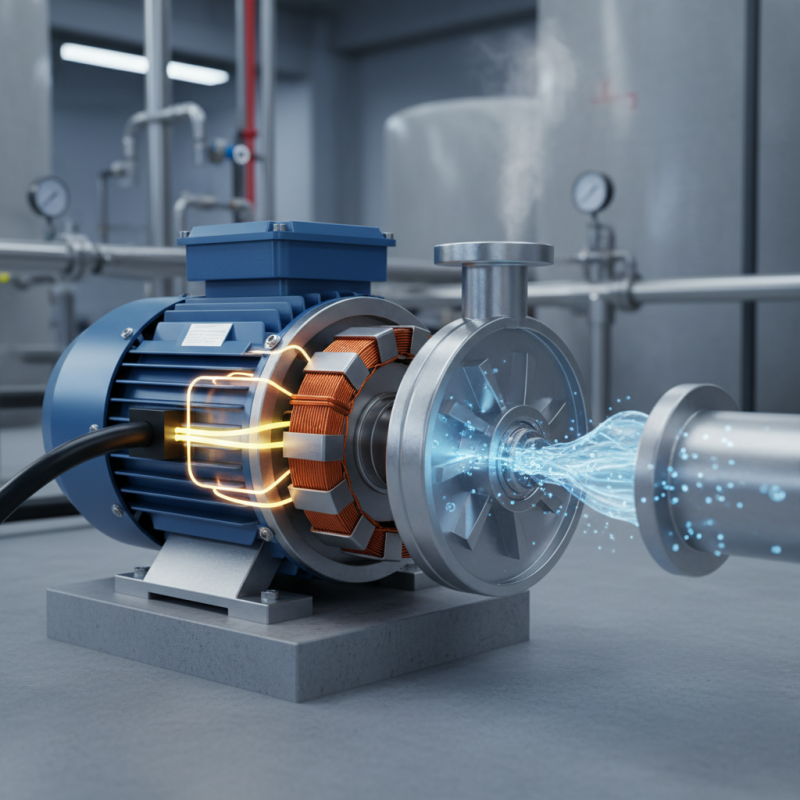
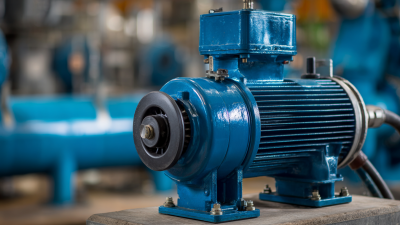
A water pump motor plays a crucial role in various applications. Understanding its components is essential for effective operation. Typically, a water pump motor consists of several key parts: the stator, rotor, bearings, and impeller.
The stator is the stationary part and generates a magnetic field. It usually consists of copper windings and is essential for converting electrical energy to mechanical energy. The rotor rotates inside the stator. Its design influences efficiency significantly. Data from the International Energy Agency indicates that 20% of global electricity consumption is due to motors, emphasizing their importance.
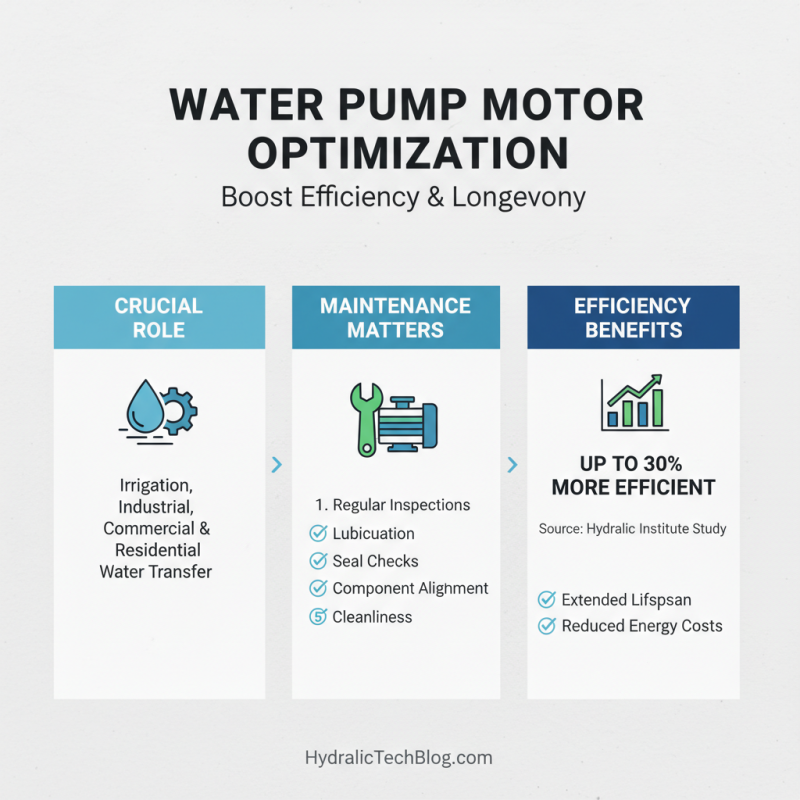
Bearings support the rotor and reduce friction. Properly lubricated bearings extend the motor's lifespan. The impeller, often overlooked, is crucial for moving water. Its design impacts flow rate and system efficiency. A 2021 report highlighted that inefficiencies in pump systems can lead to energy losses up to 30%. Understanding these components can lead to better maintenance and efficiency. Regular inspections are essential to ensure each part functions correctly.
How a Water Pump Motor Functions
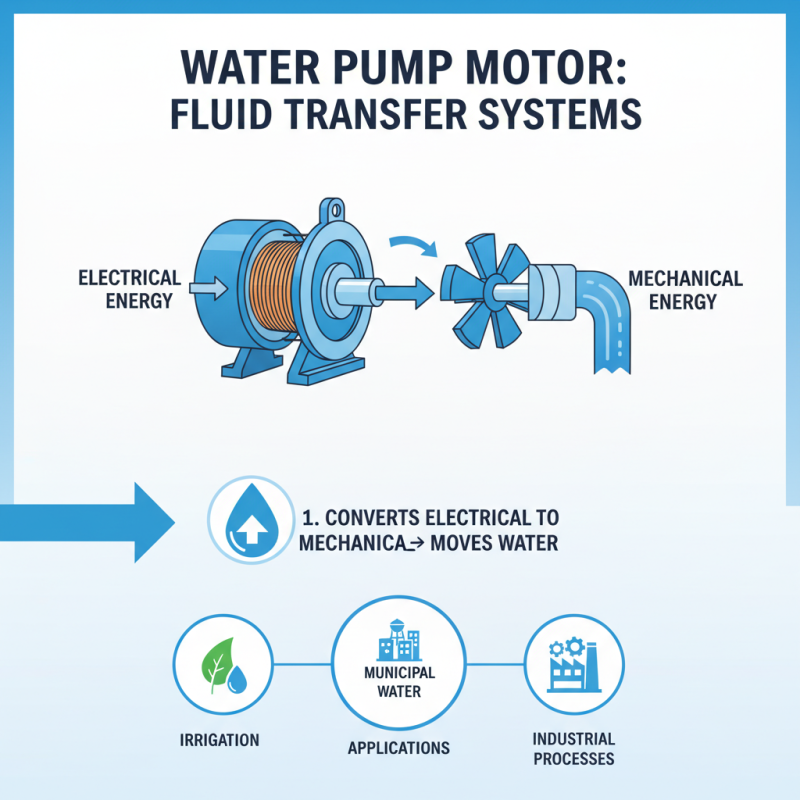
A water pump motor is an essential component in many fluid transfer systems. It converts electrical energy into mechanical energy. This motion drives the pump, enabling the movement of water. Various applications rely on these motors, including irrigation, municipal water supply, and industrial processes.
Water pump motors operate using principles of electromagnetism. When electricity flows through wires in the motor, it generates a magnetic field. This field interacts with the motor's rotor, causing it to spin. The rotation then drives the pump impeller, pushing water through the system. According to the U.S. Department of Energy, energy-efficient motors can save up to 25% compared to standard models. However, these improvements come with a higher upfront cost.
Efficiency is crucial in selecting a pump motor. A poorly selected motor can lead to wasted energy and increased operational costs. For example, running a motor at a lower efficiency than required can result in overheating and reduced lifespan. Continuous monitoring and adjustments are necessary to maintain optimal performance, underscoring the importance of regular maintenance and evaluation of the water pump system.
Applications of Water Pump Motors
Water pump motors play a crucial role in various applications. They are essential for transferring water from one location to another. One common use is in residential settings, where they help irrigate gardens and maintain lawns. These motors function by creating pressure, allowing water to flow smoothly. Their ability to pump large volumes makes them vital in both urban and rural areas.
In agriculture, water pump motors are indispensable. Farmers rely on them to ensure crops receive enough water. Without these motors, irrigation systems would struggle to operate effectively. They also assist in draining excess water from fields during heavy rains. However, issues like wear and tear can disrupt their performance. Regular maintenance is key, yet some users might overlook this aspect.
Additionally, industrial applications of water pump motors are significant. Factories use them to circulate water in cooling systems. Many power plants also depend on these motors to maintain operations. Their efficiency can directly impact production levels. Sometimes, users may face challenges in optimizing these motors for energy consumption. It’s a continuous learning process, requiring awareness to enhance effectiveness.