Top 10 Benefits of Using Self Priming Centrifugal Pumps?

In the world of industrial pumping solutions, self priming centrifugal pumps stand out for their unique efficiency. As noted by industry expert Dr. Emily Carter, “The ability of self priming centrifugal pumps to handle air and water mixtures sets them apart.” This distinctive feature allows these pumps to operate effectively even in challenging environments, making them a preferred choice for various applications.

Self priming centrifugal pumps offer numerous advantages that enhance operational reliability and performance. They can quickly regain prime after losing suction, which is crucial in scenarios such as flooded conditions. This efficiency reduces downtime and maintenance costs, making them invaluable for industrial processes. Additionally, their design enables easy installation and flexible positioning, which adds to their appeal in the field.

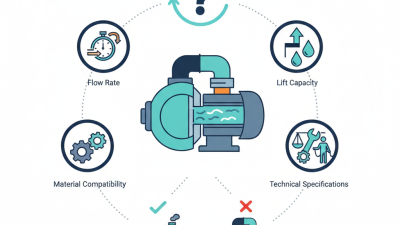
However, not all self priming centrifugal pumps are created equal. Users often face challenges in selecting the right pump for their specific needs. Issues may arise from pump sizing or installation that can compromise performance. Understanding the strengths and limitations of these pumps is essential for achieving optimal results. With the right knowledge, companies can leverage the full potential of self priming centrifugal pumps to improve productivity and efficiency.
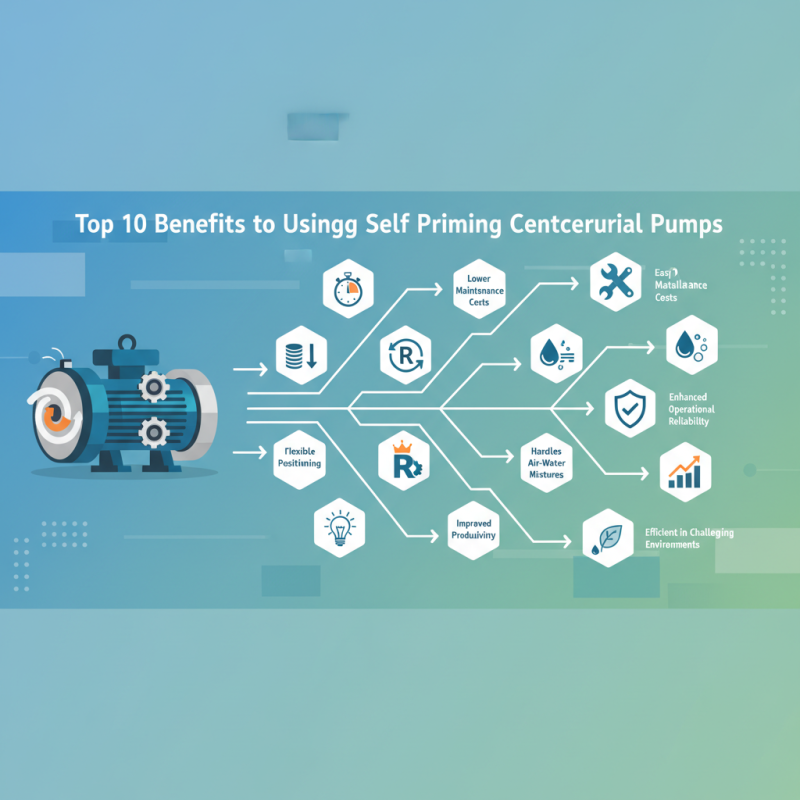
Top 10 Benefits of Using Self Priming Centrifugal Pumps?

Key Advantages of Self-Priming Centrifugal Pumps Over Traditional Pumps

Self-priming centrifugal pumps offer several key advantages over traditional pumps. One major benefit is their ability to prime themselves. This feature eliminates the need for manual priming, saving time and labor costs. Traditional pumps often require a filled suction line before operation, which can lead to inefficiencies. In contrast, self-priming pumps can handle air and liquid mixtures, making them versatile in various applications.

Another advantage is their reliability. Self-priming centrifugal pumps maintain consistent performance even when dealing with fluid levels that fluctuate. They can operate efficiently in demanding conditions. This enhances the overall productivity of your system. Additionally, they are often designed with a simpler construction, which can result in lower maintenance needs.

**Tip:** When selecting a pump, consider the ambient conditions it will face. Ensure it matches the fluid characteristics. Maintaining proper installation is crucial. A secure setup reduces wear and tear and enhances performance.

Lastly, the energy efficiency of self-priming pumps cannot be overlooked. These pumps optimize energy usage, which can significantly reduce operational costs over time. However, it is vital to choose the right specifications to avoid overworking the pump, leading to wear.

**Tip:** Regular check-ups can identify potential issues early. This proactive approach can extend the pump's lifespan. Reassess pump configurations periodically to adapt to changing needs.
Enhanced Efficiency and Performance of Self-Priming Centrifugal Pumps

Self-priming centrifugal pumps are known for their efficiency and high performance. They can operate effectively without needing a prime before use. This feature is crucial in many applications where maintaining fluid flow is essential. These pumps quickly draw liquid into the system, ensuring a smooth and uninterrupted operation. This not only saves time but enhances overall productivity.

One often overlooked aspect is maintenance. While self-priming designs reduce the frequency of manual priming, they still require regular checks. Over time, wear on components can affect efficiency. Operators must ensure that seals and impellers are in good condition to maintain optimal performance. This preventive approach can save considerable costs in the long run, reinforcing the reliability of these pumps.

Moreover, energy consumption is a critical factor when assessing pump efficiency. Self-priming centrifugal pumps often consume less energy compared to other types, especially in demanding applications. However, efficiency can vary widely based on design and operational conditions. Choosing the right type of pump for specific tasks is essential. It requires careful consideration of the application's demands and fluid characteristics, reflecting a commitment to operational excellence.

Versatility of Self-Priming Centrifugal Pumps Across Various Applications

Self-priming centrifugal pumps are gaining popularity in various fields. They are particularly noted for their versatility. These pumps can handle different fluids, including water, chemicals, and slurries. This adaptability makes them ideal for agriculture, construction, and industrial processes.

In agriculture, farmers appreciate self-priming pumps for irrigation systems. They can efficiently transfer water from wells or rivers without needing manual priming. In construction, these pumps are essential for dewatering sites. Quick setup and reliable operation streamline projects, saving time and money. Industries also benefit from their ability to manage various liquids without constant supervision.

However, challenges exist. Self-priming pumps may not perform optimally in all situations. Proper application and understanding of fluid characteristics are vital. Miscalculations can lead to inefficiencies. Users must be aware of factors like viscosity and temperature. Awareness and training are important to ensure reliability in diverse applications. This understanding fosters better decision-making for optimal usage.

Cost Savings and Maintenance Benefits of Using Self-Priming Pumps

Self-priming centrifugal pumps offer significant cost savings over time. They eliminate the need for a complex priming system, which can be expensive to install and maintain. By simplifying the pumping process, these pumps utilize less energy. A lower energy consumption translates into reduced utility bills, making them a cost-effective option for many industries.

Maintenance benefits are also noteworthy. With fewer components to manage, maintenance requirements decrease. This leads to fewer man-hours spent on repairs or system checks. Self-priming pumps are designed for durability, yet issues can arise. Regularly scheduled inspections are necessary to ensure optimal performance. Identifying early signs of wear can prevent costly breakdowns. Making maintenance a priority is essential, even with these efficient systems in place.

These pumps are reliable but not infallible. Operators must remain vigilant and proactive. Balancing cost savings with proper handling ensures these pumps function effectively over their lifespan. A thorough understanding of potential issues allows for better management. In this way, the investment in self-priming centrifugal pumps pays off handsomely, while keeping operational readiness at the forefront.

Top 10 Benefits of Using Self Priming Centrifugal Pumps

Benefit Description Cost Savings Maintenance Benefits
Self-Priming Capability Ability to draw fluid without manual priming. Reduces labor costs associated with priming. Less frequent need for manual intervention.
Versatile Applications Can be used in various industries like agriculture and construction. Widely applicable, leading to savings across multiple projects. Supports a range of mediums, reducing equipment needs.
Reduced Downtime Less time spent on maintenance and repairs. Increased operational efficiency leads to lower costs. Fewer failures contribute to reduced maintenance schedules.
High Efficiency Designed for optimal performance with less energy consumption. Saves on energy bills due to efficient operation. Lower maintenance frequency for efficient models.
Enhanced Durability Built to withstand harsh conditions. Reduces replacement costs over time. Longer lifespan minimizes the need for repairs.
Simplified Installation Easier setup compared to traditional pumps. Lower installation costs due to fewer components needed. Less complexity leads to straightforward maintenance.
Less Priming Time Quick self-priming process saves operational time. Decreases waiting time, leading to cost efficiency. Minimizes manual priming, less frequent checks required.
Lower Maintenance Requirements Designed for minimal upkeep. Reduced spare parts replenishment costs. Reliability translates to fewer routine maintenance tasks.
Improved Safety Minimized risk of cavitation and related failures. Less downtime due to safety incidents saves money. Safer operations lower the chances of costly accidents.
Cost-effective Solution Provides a balance between performance and budget. Overall savings compared to traditional pumping solutions. Eases financial burden with reduced service costs.

Improved Safety Features of Self-Priming Centrifugal Pump Systems

Top 10 Benefits of Using Self Priming Centrifugal Pumps?

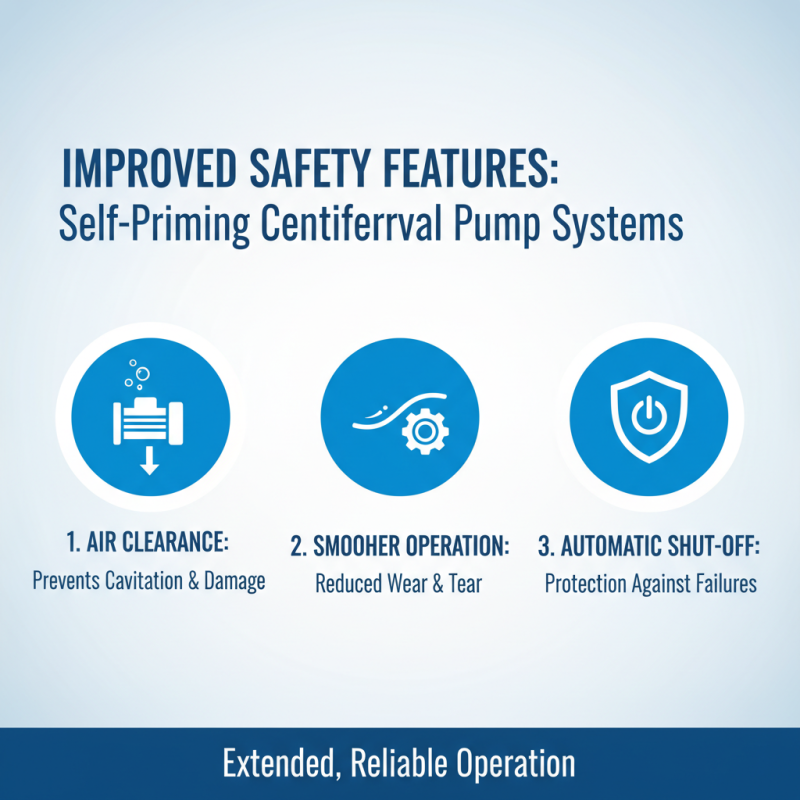
Self-priming centrifugal pumps offer enhanced safety features crucial for various applications. Their unique design allows these pumps to clear air from the system, minimizing the risk of cavitation. This significantly reduces potential damages, ensuring a smoother operation. Safety mechanisms, such as automatic shut-off systems, add another layer of protection against failures. These features ensure the pump can operate safely through extended periods.

Moreover, self-priming pumps are less prone to leaks compared to other types. A well-sealed system minimizes exposure to hazardous fluids. This is vital in industrial settings where chemicals may be involved. Proper installation and maintenance, however, are key factors here. Neglecting these aspects can lead to safety hazards. Operators should regularly inspect seals and connections, ensuring optimal performance.

In terms of accessibility, self-priming pumps require less manual intervention. This can reduce the likelihood of accidents during operation. Nonetheless, users must remain vigilant. Familiarity with the pump's safety protocols is essential. An informed operator will maximize the safety benefits offered by these pumps.

×

Cart