How to Choose the Best Submersible Trash Pump for Your Needs?
Choosing the right submersible trash pump can be crucial for efficient waste management. In 2022, the global market for these pumps was valued at approximately $1.5 billion. This number is projected to grow steadily due to increasing industrial and residential needs. Many users struggle with selection criteria, often overlooking key factors.
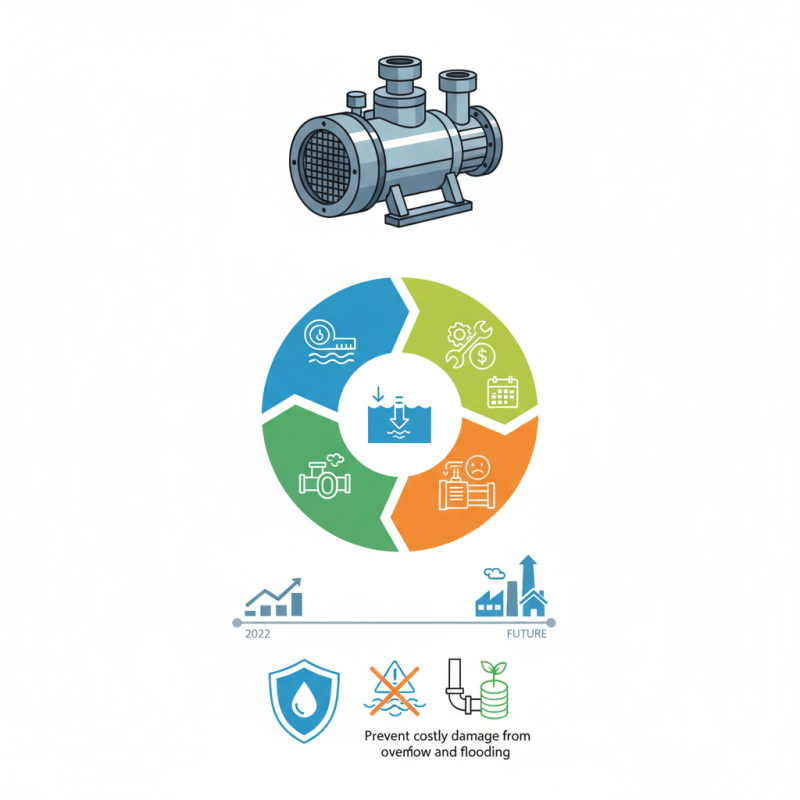
A quality submersible trash pump can prevent costly damage from overflow and flooding. Some pumps handle solids up to three inches in diameter. Others may only manage smaller debris. Not all pumps are created equal; efficiency varies based on design and materials. A poorly chosen pump may lead to frequent repairs or replacements.
Users should consider their specific needs carefully. What flow rate is required for your situation? What is the depth of the water source? Most importantly, ensuring that the pump fits your requirements can save time and money. Your investment in the right submersible trash pump will pay off in the long run. Reflecting on your choices is essential for maximizing outcomes.
Understanding Submersible Trash Pumps and Their Applications
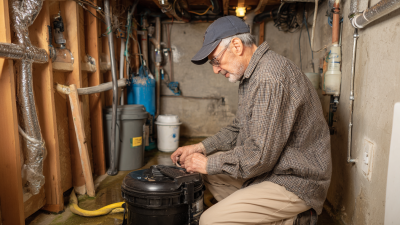
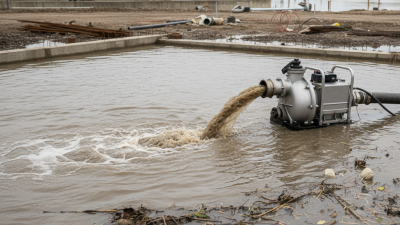
Submersible trash pumps are essential tools in various industries. They handle heavy debris, mud, and liquids. These pumps can work in environments where conventional pumps cannot. They are often used in construction sites, flooded basements, or for draining dirty water. Understanding their applications can help you choose the right one for your needs.
When selecting a submersible trash pump, consider the size and type of debris. Some models can handle larger particles, while others might clog easily. It's crucial to know your specific needs before purchasing. Check the pump's flow rate and power. High flow rates mean faster drainage but may not be necessary for every job.
Another aspect to reflect on is the material of the pump. Some pumps are more durable than others. They might withstand harsh conditions better. Additionally, think about ease of maintenance. A pump that is difficult to clean could lead to problems down the road. It's wise to keep these factors in mind to make an informed decision.
Submersible Trash Pump Performance Comparison
This chart compares the performance of different submersible trash pumps based on their flow rate (in Gallons Per Minute, GPM) and maximum head (in feet). Analyzing these metrics can help you choose the best pump for your specific needs.
Key Features to Consider When Selecting a Submersible Trash Pump
When selecting a submersible trash pump, consider several key features. The pump’s power rating is crucial. Higher horsepower can handle thicker debris more effectively. Also, check the maximum pumping capacity. This is typically measured in gallons per minute (GPM). A pump that offers a high GPM rate can clear water quickly from flooded areas.
Another important factor is the pump’s material. Pumps made from corrosion-resistant materials will have a longer lifespan. Look for ones with stainless steel or thermoplastic components. Also, evaluate the impeller design. An open impeller can handle solids better than a closed design. This means less chance of clogs, which can be a frustration.
Do not overlook the weight of the pump. Some are lightweight, making them easy to transport. Others can be bulkier and harder to maneuver. Think about where you will use the pump. It may need to fit through tight spaces. Finally, consider the ease of maintenance. Many pumps require occasional cleaning and servicing. A model that is tough to disassemble may not be worth the effort.
Evaluating Pump Capacity and Flow Rates for Your Needs
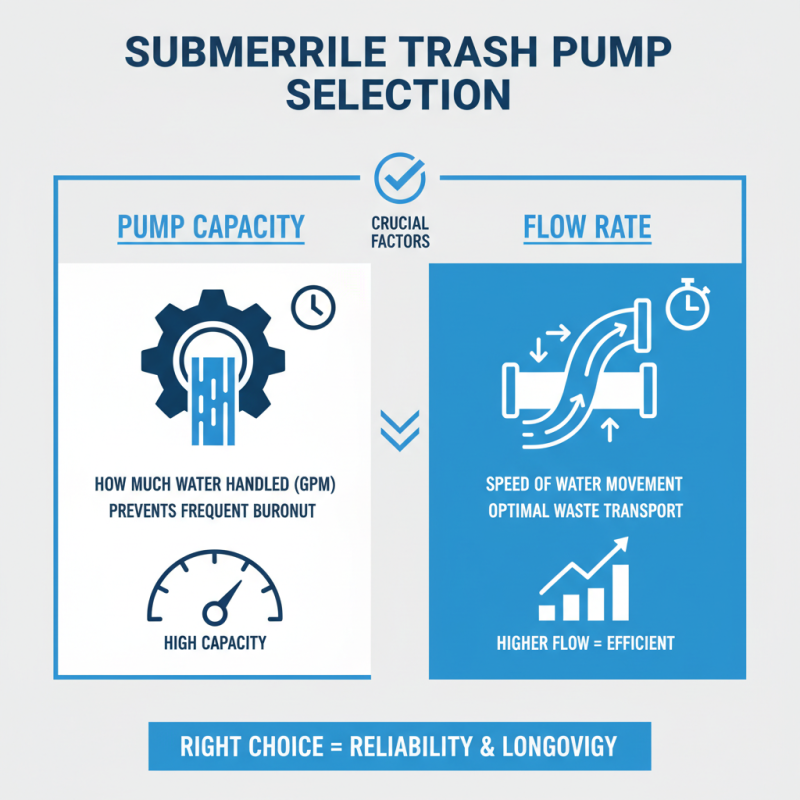
When selecting a submersible trash pump, pump capacity and flow rates are crucial. Understanding these factors ensures you make the right choice. Pump capacity refers to how much water the pump can handle. It’s typically measured in gallons per minute (GPM). The right capacity can prevent frequent pump burnout.
Flow rate is equally important. It indicates how quickly the pump can move water away. You need to consider the area you're working in. A larger area may require a higher flow rate. However, if the task is small, a lower flow rate might suffice. Finding a balance is essential.
Here are some tips: Always assess the maximum volume of water you need to pump. If the pump runs dry, it could lead to damage. Think about the type of debris involved. Some pumps handle solids better than others. Choosing wisely can save you time and frustration. Remember, your specific needs should guide your decision.
Comparing Material Durability and Construction Quality
Choosing the right submersible trash pump demands attention to its construction quality and material durability. Various materials are used in these pumps. Plastic parts are often lightweight but can degrade over time. Metal components, like those made from stainless steel, offer more durability. However, they are heavier and may rust if not properly maintained.
It's crucial to consider the pump's intended use. If it's for occasional tasks, plastic might suffice. For heavy-duty jobs, a metal construction is advisable. Look for signs of wear in the materials. Small cracks or corrosion can indicate a need for replacement. Sometimes, buyers overlook these details and assume all pumps perform similarly.
Do not forget about the pump's seals and connections. These are often the weakest points. A well-sealed pump will last longer. Yet, it's easy to overlook them in the buying process. You might be tempted to choose a pump based solely on price. That could lead to future regrets. Investing in a product with sturdy materials pays off in the long run.
Assessing Cost vs. Quality: Finding a Balance in Pump Selection
Choosing a submersible trash pump requires careful consideration of both cost and quality. Many people get caught up in the cheapest option, assuming it will save them money. However, this often leads to frustration with poor performance. A pump that fails prematurely can result in more expenses. It’s essential to evaluate what you really need.
Quality pumps usually come with a higher price tag, but they often last longer. Consider the materials used. Durable construction can withstand harsh conditions, unlike cheaper models that may rust or break easily. Investing in a quality pump means fewer repairs and less downtime.
Balancing cost and quality is not always straightforward. Some may stretch their budget, thinking they’ll get better results. Others might under-invest and face ongoing issues. It's crucial to recognize that a higher initial expense might be a wise long-term choice. Weighing your options through research can help you find a pump that meets your specific needs while also being reliable.
How to Choose the Best Submersible Trash Pump for Your Needs?
| Criteria |
Entry Level |
Mid Range |
High End |
| Cost |
$100 - $250 |
$250 - $500 |
$500+ |
| Flow Rate |
Up to 1500 GPH |
1500 - 3000 GPH |
3000+ GPH |
| Power |
1/2 HP |
1 HP |
1.5 HP+ |
| Material |
Plastic |
Aluminum |
Cast Iron |
| Weight |
10 - 20 lbs |
20 - 30 lbs |
30+ lbs |
| Warranty |
1 Year |
2 Years |
3 Years+ |